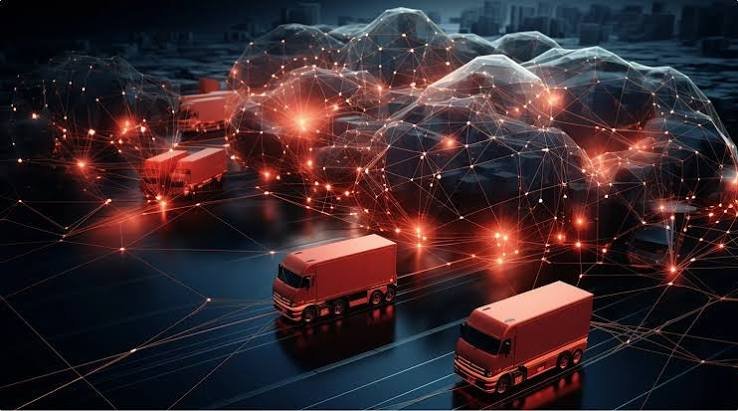
Machine Learning is transforming transportation and logistics by helping companies improve route planning, predict delivery times, and manage vehicles more efficiently. Transportation businesses generate large amounts of data from GPS devices, traffic systems, vehicles, and delivery records. Machine Learning analyses this data to identify patterns and support better decisions.
From smart traffic management to warehouse automation, Machine Learning is helping the industry reduce delays, save fuel, and improve customer satisfaction.
Route Optimisation
One of the main applications of Machine Learning in logistics is route optimisation. Machine Learning systems analyse traffic conditions, delivery locations, road distances, weather, and previous travel data to suggest efficient routes.
This helps delivery companies reduce travel time and fuel consumption. It also allows drivers to avoid traffic-heavy areas and complete more deliveries within a limited time.
Predictive Maintenance
Machine Learning can monitor vehicle performance and identify signs of possible mechanical problems. It analyses data from sensors, engine systems, and maintenance records to predict when a vehicle may require servicing.
Predictive maintenance helps companies reduce unexpected breakdowns and avoid costly repairs. It also improves vehicle safety and keeps transportation services running smoothly.
Demand and Delivery Prediction
Logistics companies use Machine Learning to predict customer demand and estimate delivery times. The system studies previous orders, seasonal trends, location data, and delivery patterns.
Accurate predictions help businesses plan vehicles, drivers, warehouse stock, and delivery schedules. Customers can also receive more reliable delivery updates.
Smart Traffic Management
Machine Learning can analyse traffic data from cameras, sensors, GPS devices, and road networks. It helps identify traffic congestion and predict how traffic may change during different times of the day.
Smart traffic systems can adjust signals, suggest alternate routes, and support better urban transportation planning. This can reduce congestion and improve road efficiency.
Challenges of Machine Learning in Transportation
Machine Learning systems depend on accurate and real-time data. Poor GPS information, incorrect traffic data, or unexpected road conditions can affect predictions.
Privacy and security are also important because transportation systems may collect location and user data. Companies must protect this information and ensure that automated decisions are properly monitored.
Conclusion
Machine Learning is improving transportation and logistics through route optimisation, predictive maintenance, delivery prediction, and smart traffic management. It helps companies reduce operational costs, improve efficiency, and provide better services.
With reliable data, strong security, and human supervision, Machine Learning can support the development of safer, faster, and more intelligent transportation systems.