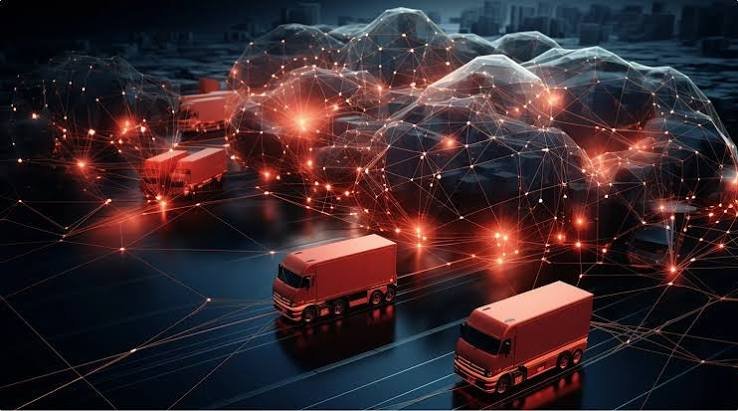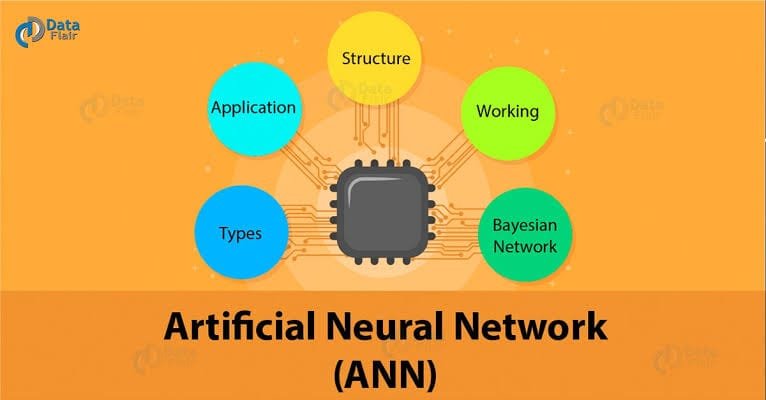
Artificial Neural Networks are helping the transportation and logistics industry improve route planning, traffic management, delivery operations, and vehicle safety. These networks can analyse large amounts of data from GPS devices, traffic sensors, vehicles, warehouses, and delivery systems.
By identifying patterns and predicting future conditions, neural networks help companies reduce delays, improve efficiency, and manage transportation resources more effectively.
How Neural Networks Work in Transportation
Neural networks are trained using data such as traffic conditions, delivery times, fuel consumption, weather information, and vehicle movement. They learn patterns from this data and use them to make predictions or recommendations.
The general process includes:
- Collecting transportation and logistics data
- Preparing and organising the data
- Training the neural network
- Analysing current conditions
- Predicting traffic, demand, or delivery times
- Supporting operational decisions
Applications of Neural Networks
Traffic Prediction
Neural networks can analyse historical and real-time traffic data to predict congestion. This helps transportation authorities and navigation applications recommend alternative routes and improve traffic management.
Route Optimisation
Logistics companies use neural networks to identify efficient delivery routes. The system may consider distance, traffic, weather, delivery deadlines, and vehicle capacity.
Efficient routing can reduce fuel consumption, travel time, and transportation costs.
Delivery Time Prediction
Neural networks can estimate delivery times by analysing previous deliveries, traffic patterns, weather conditions, and package locations. This helps businesses provide more accurate delivery updates to customers.
Fleet Management
Transportation companies can monitor vehicles using GPS and sensor data. Neural networks can help analyse fuel usage, driving behaviour, vehicle performance, and maintenance requirements.
Predictive Maintenance
Neural networks can identify unusual patterns in vehicle sensor data. These patterns may indicate that a vehicle requires maintenance before a major breakdown occurs.
Warehouse Automation
In warehouses, neural networks support robots and automated systems used for sorting, picking, packing, and moving goods. They can identify products and help optimise warehouse operations.
Benefits of Neural Networks in Logistics
The major benefits include:
- Reduced delivery delays
- Improved route planning
- Lower fuel consumption
- Better vehicle utilisation
- More accurate delivery estimates
- Improved warehouse efficiency
- Early detection of vehicle problems
- Reduced operational costs
Neural networks can help logistics companies respond quickly to changing transportation conditions.
Challenges and Limitations
Transportation systems depend on constantly changing conditions. Traffic accidents, extreme weather, road closures, and unexpected demand can affect the accuracy of predictions.
Other challenges include:
- Requirement for large and accurate datasets
- High implementation costs
- Data privacy and security concerns
- Difficulty integrating older systems
- Incorrect predictions
- Need for continuous monitoring
- Dependence on reliable sensors and connectivity
Human supervision is important when AI systems are used for safety-related or high-impact transportation decisions.
Future of Neural Networks in Transportation
Future transportation systems may use neural networks for smarter traffic signals, autonomous delivery vehicles, intelligent public transportation, and more efficient supply chains.
Neural networks may also work with Internet of Things devices, GPS systems, and connected vehicles to provide real-time information and improve transportation planning.
Conclusion
Artificial Neural Networks are improving transportation and logistics through traffic prediction, route optimisation, delivery-time estimation, fleet management, predictive maintenance, and warehouse automation.
Although challenges related to data, cost, safety, and reliability remain, neural networks can help create faster, safer, and more efficient transportation systems.