The IT industry is likely to look significantly different by 2030 as artificial intelligence, automation, cloud computing, cybersecurity, and other technologies continue to develop. Organizations are increasingly using digital systems to manage operations, analyze information, build products, and serve customers. Over the next decade, these technologies may become more deeply integrated into everyday business and professional workflows.
Artificial intelligence is expected to play an important role in the future of IT. AI systems can already assist with software development, data analysis, customer support, cybersecurity, and business automation. By 2030, AI may become a more common part of technology workflows, with professionals using intelligent tools to complete tasks, analyze complex information, and support decision-making while maintaining appropriate human oversight.
Cloud computing is also likely to remain an important part of the IT infrastructure. Organizations may increasingly combine cloud platforms with edge computing, distributed systems, and AI infrastructure to process data efficiently. As applications become more connected and data-intensive, businesses will need scalable computing resources and reliable systems that can support growing digital workloads.
Cybersecurity will become increasingly important as organizations depend on more connected devices, cloud services, AI applications, and digital infrastructure. Security teams may use AI and automation to identify unusual activity, analyze threats, and respond to incidents more quickly. At the same time, organizations will need stronger approaches to protecting data, applications, identities, and AI systems themselves.
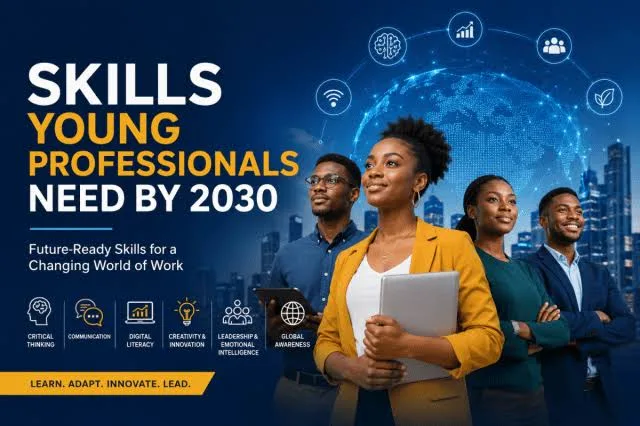
The future IT workforce may also experience significant changes. Some repetitive technical tasks could become increasingly automated, while demand may grow for professionals who understand AI, cybersecurity, cloud computing, data, software engineering, and emerging technologies. Problem-solving, communication, adaptability, and continuous learning may become increasingly important alongside traditional technical skills.
By 2030, the IT industry may be characterized by closer collaboration between people, AI systems, and automated technologies. The exact direction of the industry will depend on technological progress, business adoption, security requirements, and broader economic and social factors. Professionals and organizations can prepare for this changing environment by developing strong technical foundations, adopting useful technologies responsibly, and continuously adapting their skills and systems.