The rapid development of artificial intelligence has changed many areas of the IT industry over the past year. AI tools have become increasingly integrated into software development, data analysis, cybersecurity, customer support, and business operations. Instead of being limited to experimental projects, AI is increasingly being used as part of everyday technology workflows.
Software development has been one of the most visible areas of change. Developers can use AI tools to generate code, explain existing programs, create tests, identify bugs, and assist with documentation. These capabilities can reduce repetitive work and help developers explore solutions more quickly. At the same time, developers still need to review AI-generated code and verify that it meets requirements for security, performance, and reliability.
AI has also expanded the use of automation across IT operations. Organizations can use AI to analyze large amounts of information, summarize technical data, identify unusual patterns, and support routine operational tasks. In cybersecurity, AI can assist with analyzing events and identifying potential threats, while in business environments it can support data analysis and workflow automation.
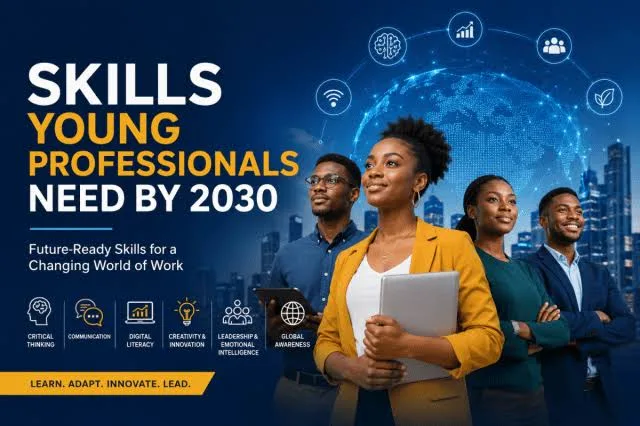
Another important change has been the growing importance of AI-related skills. Professionals are increasingly expected to understand how AI tools can be used within their specific roles. This does not necessarily mean that every IT professional needs to become a machine learning specialist. Instead, AI literacy, critical thinking, data understanding, and the ability to work effectively with AI-assisted tools can complement existing technical expertise.
The transformation has also introduced new challenges. AI-generated information can contain errors, and organizations need to consider data privacy, security, intellectual property, reliability, and responsible use. Businesses also need to determine which tasks are appropriate for AI automation and where human review remains necessary. These considerations have made AI adoption a broader organizational and engineering challenge rather than simply a matter of using new software tools.
One year of rapid AI development demonstrates how quickly technology workflows can evolve. The IT industry is moving toward environments where humans and AI systems increasingly work together across development, operations, analysis, and automation. For IT professionals, adapting to this change can involve strengthening existing fundamentals, developing AI literacy, gaining practical experience, and continuing to learn as new technologies and working methods emerge.