The technology landscape is changing rapidly as artificial intelligence becomes an important part of modern IT. AI is being introduced into software development, data analysis, cybersecurity, cloud services, customer support, and business operations. As organizations adopt these technologies, IT professionals are working in an environment where traditional technical knowledge is increasingly being combined with AI-based tools and systems.
One of the major changes is the way IT professionals complete their daily tasks. AI-powered tools can assist with code generation, debugging, documentation, testing, data analysis, and routine operations. These tools can reduce repetitive work and help professionals focus more on complex problems. However, understanding the fundamentals of programming, systems, databases, and software engineering remains important because AI-generated results still need human review and technical judgment.
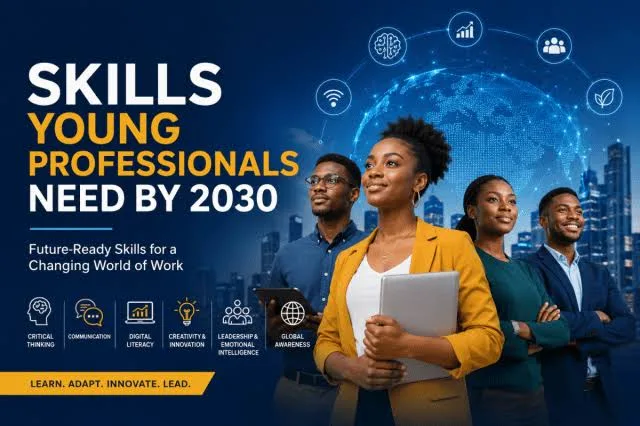
The changing technology landscape is also creating new skill requirements. IT professionals may need to understand how AI systems work, how to use AI tools effectively, and how to integrate AI into existing applications. Skills related to data, cloud computing, cybersecurity, automation, and software development can become even more valuable when combined with AI knowledge.
For students and fresh IT professionals, this shift means that learning should not stop after mastering one programming language or technology. Continuous learning can help professionals adapt as tools and technologies evolve. Building practical projects, understanding real-world problems, and learning how AI can support existing technical skills can provid