Deep Learning is an advanced branch of Artificial Intelligence that allows computers to learn from large amounts of data using neural networks. It is widely used in technologies such as image recognition, voice assistants, language translation, recommendation systems, and Generative AI.
In 2026, Deep Learning is becoming more powerful and accessible through improved models, cloud computing, and specialised hardware. Businesses are using it to automate complex tasks, analyse information, and develop intelligent digital products.
What Is Deep Learning?
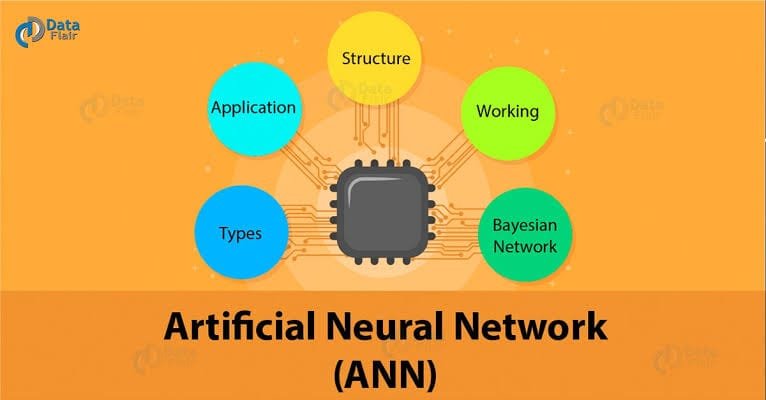
Deep Learning uses artificial neural networks inspired by the structure of the human brain. These networks contain multiple layers that process data and identify patterns.
For example, a Deep Learning model can analyse thousands of images to learn how to recognise objects, faces, or medical conditions. Similarly, it can study large amounts of text to understand language and generate meaningful responses.
Unlike traditional programming, Deep Learning models learn patterns from examples instead of relying only on manually written rules.
Major Applications of Deep Learning
Deep Learning is used in many industries and technologies, including:
- Image and facial recognition
- Voice assistants and speech recognition
- Natural Language Processing
- Medical image analysis
- Autonomous vehicles
- Recommendation systems
- Fraud detection
- Generative AI
- Predictive analytics
These applications help organisations improve accuracy, automate repetitive work, and create better user experiences.
Deep Learning and Generative AI
Generative AI is one of the most important areas influenced by Deep Learning. Large neural networks can learn from text, images, audio, and code to generate new content.
AI tools can now assist with writing, software development, image creation, translation, and data analysis. These systems are useful for productivity, but their outputs still require human review because they may sometimes contain errors or inaccurate information.
Challenges of Deep Learning
Deep Learning models usually require large datasets and significant computing power. Training complex models can be expensive and may consume considerable energy.
Another challenge is explainability. Some Deep Learning systems make decisions through complex internal patterns that are difficult to understand. Data privacy, bias, security risks, and model accuracy are also important concerns.
Conclusion
Deep Learning is transforming technology by enabling computers to understand images, speech, language, and complex data. Its role in Generative AI, healthcare, automation, and intelligent applications is continuing to grow.
However, responsible development requires quality data, strong security, human supervision, and regular testing. Deep Learning will remain an important technology for building advanced and intelligent systems.