Evaluating Large Language Models Beyond Accuracy
Evaluating Large Language Models requires more than checking whether their answers are factually correct. Accuracy is an important measurement, but real-world AI applications also need

Evaluating Large Language Models requires more than checking whether their answers are factually correct. Accuracy is an important measurement, but real-world AI applications also need
Generative AI has become useful for content creation, research, software development, customer support, and many other applications. However, AI-generated responses can sometimes contain inaccurate, incomplete,
Large Language Models have become useful for generating text, answering questions, summarizing information, and supporting many different tasks. However, these systems can sometimes produce information

Enterprise AI is becoming an important part of how organizations use artificial intelligence to improve business processes, analyze information, and support decision-making. While choosing a
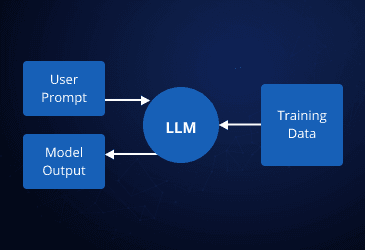
Organizations are increasingly exploring private Large Language Model applications to use AI while maintaining greater control over their data and systems. Unlike public AI services

Domain-specific language models are becoming increasingly important as organizations look for AI systems designed around particular industries, tasks, and areas of expertise. Unlike general-purpose language
Smaller AI models are gaining attention as organizations look for efficient ways to use artificial intelligence without always depending on extremely large systems. While large
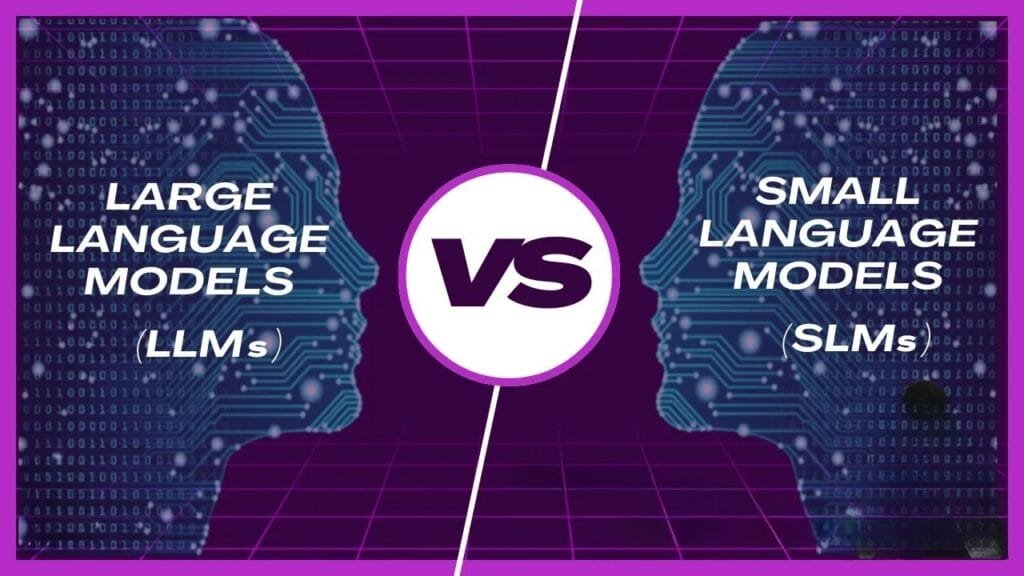
Small Language Models and Large Language Models represent two different approaches to building artificial intelligence systems that can understand and generate human language. Large Language
AI agents are becoming an important technology for businesses looking to automate repetitive tasks, manage workflows, and improve operational efficiency. Unlike traditional automation systems that
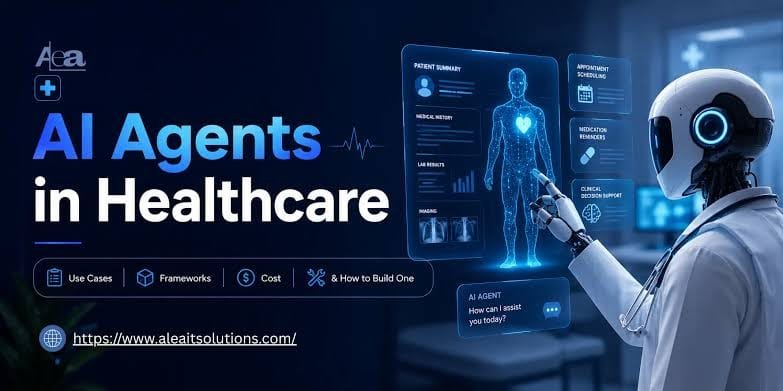
AI agents are becoming an important part of the healthcare industry by helping organizations automate tasks, support patients, and improve everyday workflows. Unlike traditional software