NLP Challenges for Low-Resource Languages
Natural Language Processing has advanced rapidly, but its progress has not been equally distributed across all languages. Languages with large amounts of digital text, research

Natural Language Processing has advanced rapidly, but its progress has not been equally distributed across all languages. Languages with large amounts of digital text, research
India’s linguistic diversity creates a significant opportunity for multilingual artificial intelligence. People communicate across many languages and often switch between languages depending on the situation.
India has a highly diverse linguistic environment, with people using many different languages and regional varieties in everyday communication. This diversity creates both opportunities and

BERT and GPT are two influential Transformer-based approaches that have played an important role in the development of modern Natural Language Processing. Although both are
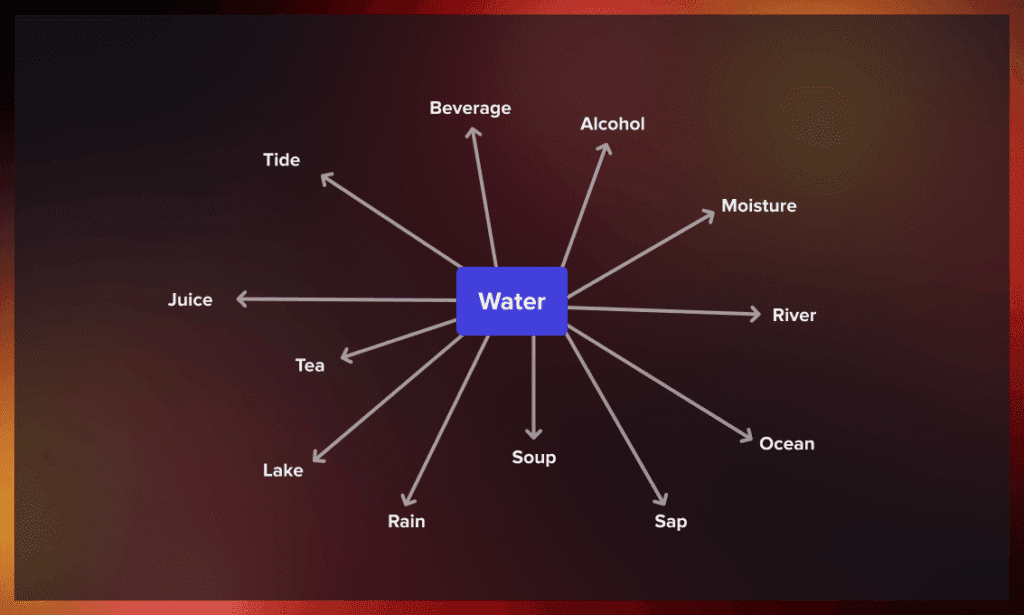
Word representation is a fundamental part of Natural Language Processing because computers need numerical forms of language to process text. Earlier approaches often represented words
Word embeddings introduced an important change in how computers represented human language. Earlier NLP systems often treated words as individual symbols, making it difficult for
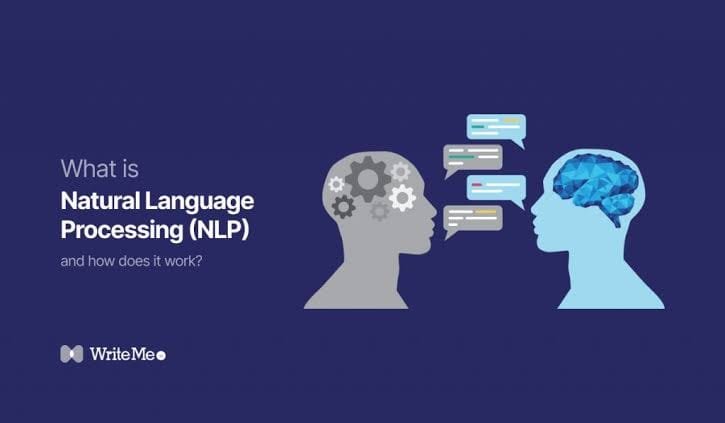
Human language often depends on context to communicate meaning. The same word or sentence can have different meanings depending on the surrounding words and the
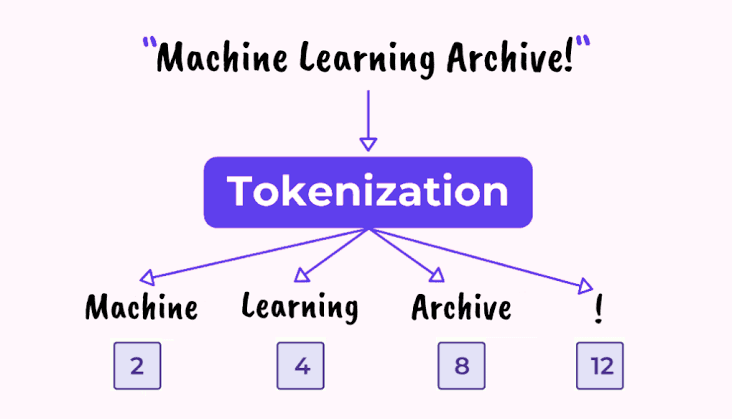
Before an AI system can process human language, it needs to convert text into a form that a computer can work with. Tokenization is one
Natural Language Processing has evolved significantly over the past several decades. Early NLP systems were designed to help computers process human language using predefined rules,
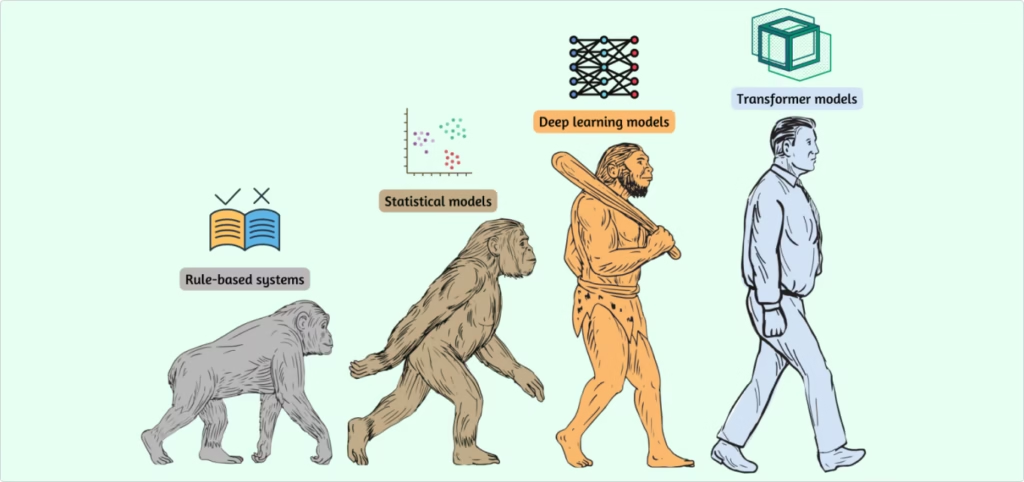
Language models have evolved significantly as researchers developed better ways to help computers process and generate human language. Early language models were relatively simple and