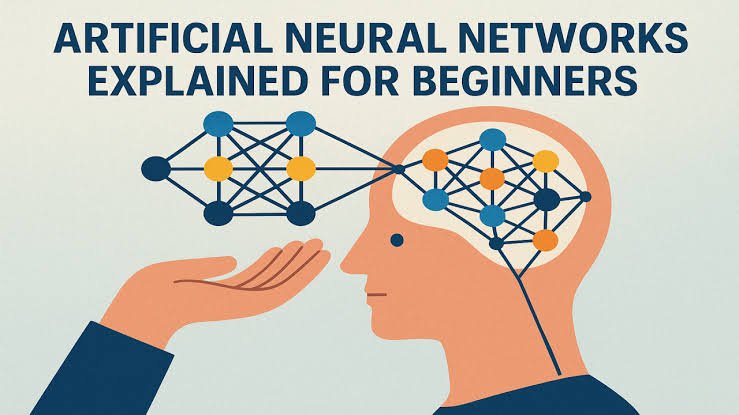
Artificial Neural Networks (ANNs) are becoming increasingly useful in energy management by helping organizations analyze energy consumption, predict demand, and improve the efficiency of energy systems. Modern buildings, industries, and power networks generate large amounts of data from smart meters, sensors, weather systems, and connected devices. Neural networks can analyze this data and identify patterns that can support better energy-related decisions.
One important application of artificial neural networks is energy consumption forecasting. ANNs can study historical electricity usage along with factors such as temperature, time, and previous demand patterns to predict future energy requirements. Accurate forecasting can help businesses and energy providers plan resources and manage electricity demand more effectively.
Neural networks are also used in smart grid management. Smart grids rely on data from different sources to monitor electricity generation, distribution, and consumption. ANNs can help identify unusual patterns, predict changes in demand, and support more efficient operation of the grid. This can contribute to improved reliability and better utilization of available energy resources.
Another important area is renewable energy prediction. Solar and wind power generation can change depending on weather conditions. Neural networks can analyze historical weather and energy-generation data to estimate future renewable energy production. These predictions can help energy systems manage renewable sources more effectively.
Artificial neural networks can also support energy efficiency in buildings and industries. By analyzing information from sensors and connected devices, AI systems can identify patterns of unnecessary energy consumption and help optimize heating, cooling, lighting, and other equipment.
Overall, artificial neural networks are helping make energy management more data-driven and efficient. From demand forecasting and smart grids to renewable energy prediction and energy optimization, ANNs can provide useful tools for managing modern energy systems.