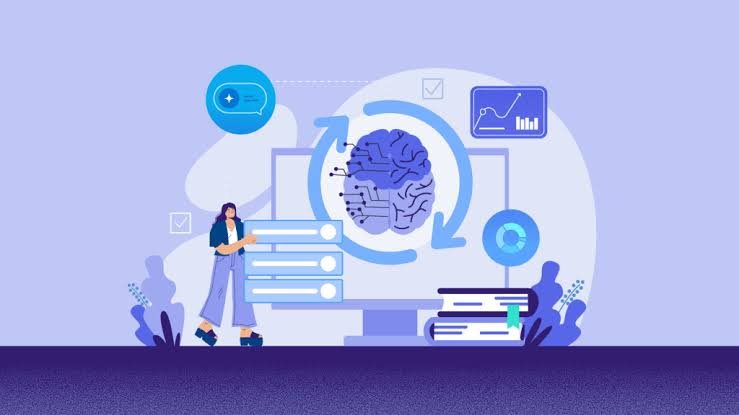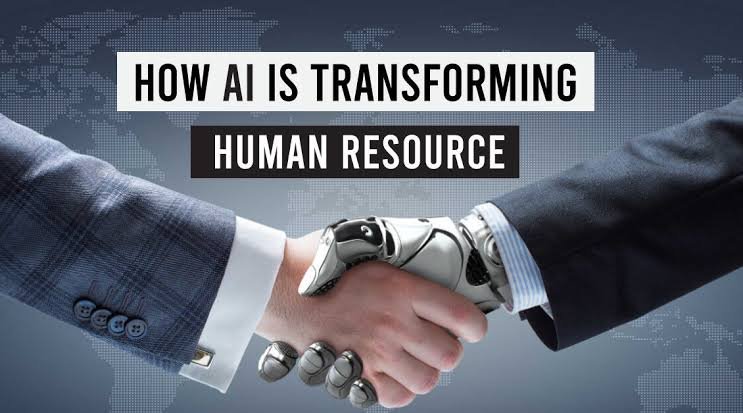
Artificial Neural Networks (ANNs) are becoming increasingly useful in human resources by helping organizations analyze workforce data, improve recruitment processes, and support better workforce planning. HR departments handle large amounts of information related to job applications, employee performance, attendance, skills, and workforce requirements. Neural networks can analyze this data and identify patterns that can support HR activities.
One important application of artificial neural networks is recruitment and candidate screening. AI-based systems can process large volumes of application data and identify information related to skills, experience, and job requirements. This can help recruiters organize applications and focus their attention on relevant candidates.
Neural networks can also support employee analytics. Organizations can analyze workforce data to understand patterns related to employee engagement, performance, training, and other workplace factors. These insights can help HR teams understand workforce trends and plan appropriate programs.
Another application is workforce planning. ANNs can analyze historical workforce data and organizational requirements to identify patterns that may help businesses plan staffing needs. This can support decisions related to hiring, training, and resource allocation.
Artificial neural networks can also contribute to talent management by analyzing employee skills and career-related information. AI systems can help identify suitable learning opportunities and support organizations in managing employee development.
Overall, artificial neural networks are helping modern HR departments become more data-driven and automated. From recruitment and employee analytics to workforce planning and talent management, ANNs provide useful tools for analyzing HR data and supporting organizational processes.