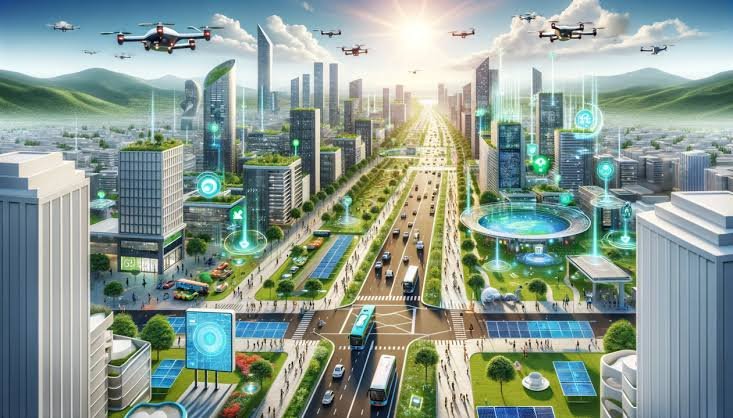
Artificial Neural Networks (ANNs) are becoming an important technology in the development of smart cities by helping analyze large amounts of urban data and improve city services. Modern cities generate information from traffic systems, public transportation, energy networks, sensors, cameras, and connected devices. Neural networks can process this information and identify patterns that can support more efficient urban management.
One important application of artificial neural networks is intelligent traffic management. ANNs can analyze traffic data from cameras, sensors, and connected systems to identify congestion patterns and help improve traffic flow. This can support better management of roads and transportation networks.
Neural networks can also support energy management in smart cities. AI systems can analyze energy consumption patterns and help identify opportunities for more efficient energy use. They can also assist in forecasting demand and managing connected energy systems.
Another application is public safety and monitoring. Neural networks can process information from cameras and sensors to identify unusual patterns or events that may require attention. Such systems can provide additional information to city authorities and support monitoring activities.
ANNs are also useful for waste management and urban planning. Data about waste collection, population patterns, transportation, and city infrastructure can be analyzed to support better planning and resource allocation. This can help cities manage their services more efficiently.
Overall, artificial neural networks can contribute to smart city development through intelligent traffic management, energy optimization, public safety systems, waste management, and urban planning. As cities become increasingly connected, ANNs provide useful tools for analyzing urban data and supporting more efficient city services.