Speech recognition is one of the most practical applications of deep learning. It allows computers and smart devices to understand human speech and convert spoken words into text or commands. Today, voice assistants, smartphones, smart speakers, and customer-support systems use speech recognition to provide faster and more natural interactions.
Deep learning has significantly improved speech recognition by helping machines understand different accents, languages, speaking speeds, and background noises.
What Is Speech Recognition?
Speech recognition is the technology that converts human voice into written text or meaningful instructions. For example, when a user says, “Set an alarm for 7 AM,” the system identifies the spoken words and performs the requested action.
Traditional speech recognition systems depended on manually designed rules and large language databases. Deep learning systems, however, learn patterns directly from large amounts of audio and text data.
How Deep Learning Powers Speech Recognition
Deep learning models use neural networks to process audio signals. The system first converts speech into digital information. It then identifies sound patterns, words, and sentence structures.
Common deep learning techniques used in speech recognition include:
- Recurrent Neural Networks (RNNs): Process speech sequences in the order they are spoken.
- Long Short-Term Memory (LSTM): Helps the system remember earlier words in a sentence.
- Convolutional Neural Networks (CNNs): Identify useful patterns in audio features.
- Transformers: Understand longer speech sequences and context more effectively.
These models are trained using large datasets containing different voices, accents, languages, and environments. As the models receive more training data, their ability to recognise speech improves.
Role of Deep Learning in Voice Assistants
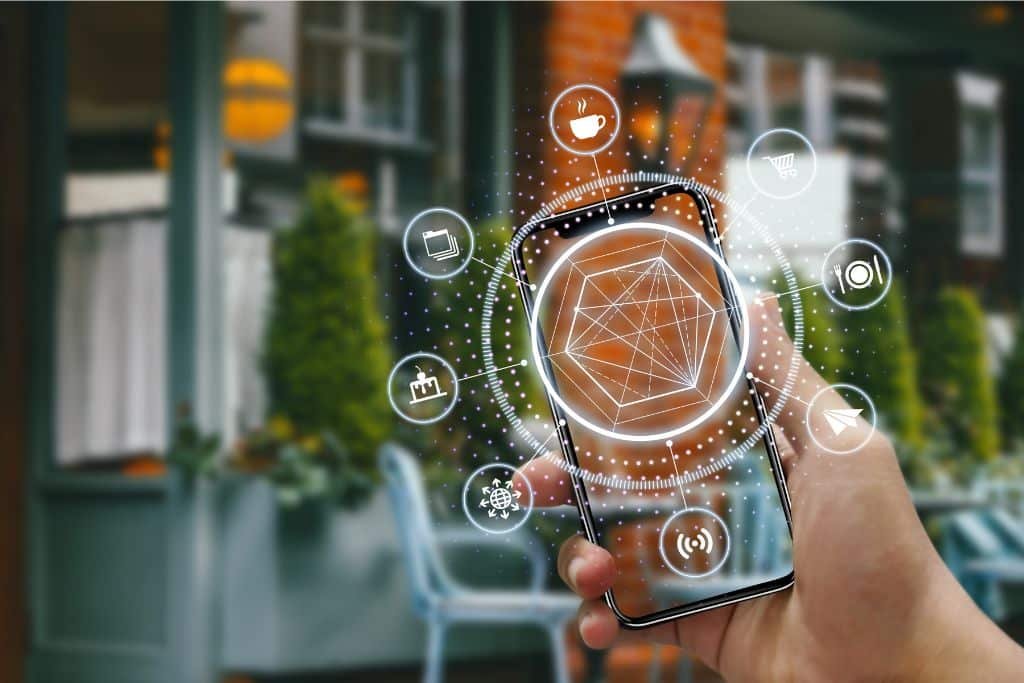
Voice assistants such as smartphone assistants and smart speakers use multiple AI technologies together. Deep learning helps them understand the user’s voice, identify the meaning of the request, and provide a suitable response.
A typical voice assistant process includes:
- Voice Detection: The device detects when someone is speaking.
- Speech-to-Text Conversion: Spoken words are converted into written text.
- Language Understanding: The system identifies the user’s intention.
- Task Execution: The assistant performs an action, such as playing music or checking the weather.
- Response Generation: The assistant provides a spoken or written response.
This process allows users to interact with technology without typing or touching a screen.
Applications of Speech Recognition
Deep learning-based speech recognition is used in many industries, including:
- Voice assistants and smart home devices
- Automatic subtitles and video captions
- Customer-support call transcription
- Voice typing and dictation tools
- Healthcare documentation
- Language translation systems
- Accessibility tools for people with disabilities
- Voice-controlled applications and vehicles
Businesses also use speech recognition to analyse customer calls, improve service quality, and automate repetitive tasks.
Benefits of Deep Learning-Based Speech Recognition
The major benefits include:
- Faster and more natural communication
- Support for multiple languages and accents
- Improved accuracy compared with older systems
- Hands-free device control
- Better accessibility
- Reduced time required for transcription
- Automation of customer-service tasks
Speech recognition can improve productivity by allowing users to complete tasks through voice commands.
Challenges
Despite its progress, speech recognition still faces several challenges. Background noise, unclear pronunciation, regional accents, and multiple people speaking at the same time can reduce accuracy. Some systems may also struggle with technical terms, slang, or mixed-language conversations.
Privacy is another important concern because voice assistants may process sensitive conversations and personal information. Companies must use strong security and transparent data policies to protect users.
Conclusion
Deep learning has made speech recognition more accurate, flexible, and useful in everyday life. From voice assistants to automatic transcription and accessibility tools, this technology is changing how people interact with computers.
As deep learning models continue to improve, speech recognition is expected to become more reliable across languages, accents, and real-world environments.