Artificial intelligence is changing the way people work in 2026. From automated tasks and smart software tools to faster decision-making and personalized customer support, AI is becoming an important part of modern workplaces. Businesses are using AI to improve productivity, reduce repetitive work, analyze large amounts of data, and create better digital experiences.
How AI Is Changing the Workplace
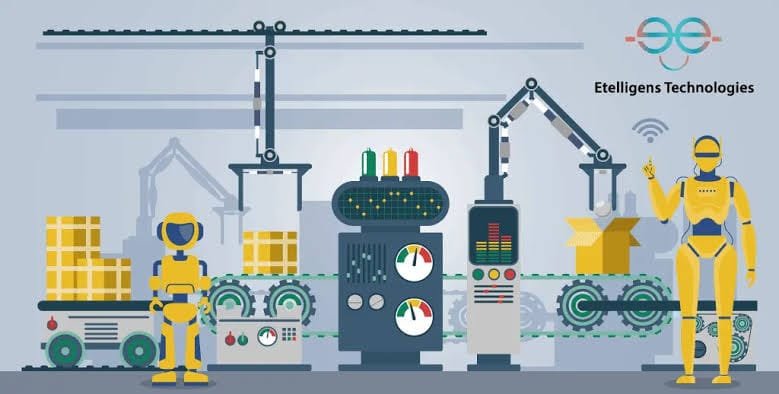
One of the biggest changes brought by AI is automation. Many repetitive tasks, such as data entry, report generation, scheduling, email sorting, and customer support, can now be completed with the help of AI-powered tools. This allows employees to spend more time on creative thinking, problem-solving, and important business decisions.
AI is also helping professionals work more efficiently. AI writing assistants can help create drafts, summarize documents, and improve communication. Developers can use AI tools to identify coding errors, generate suggestions, and speed up software development. Designers, marketers, and business teams can also use AI to create content, study customer behavior, and plan campaigns.
AI-Powered Decision-Making
In 2026, businesses are increasingly using AI to analyze data and support decision-making. AI systems can identify patterns, predict customer needs, monitor business performance, and provide useful insights. These capabilities help companies make faster and more informed decisions.
However, AI-generated insights still need human review. Human experience, judgment, and business understanding remain important when making decisions that affect employees, customers, and company strategies.
Remote Work and Collaboration
AI is improving remote work and online collaboration. Intelligent meeting tools can create summaries, identify important points, and prepare action items. AI-powered communication platforms can help teams organize information, translate messages, and manage projects more effectively.
These tools make it easier for employees in different locations and time zones to work together. As a result, companies can maintain productivity while offering flexible and hybrid work opportunities.
New Skills for Employees
Although AI is automating many tasks, it is also creating demand for new skills. Employees need to learn how to use AI tools responsibly and effectively. Important skills include digital literacy, data analysis, critical thinking, problem-solving, creativity, and AI tool management.
Technical professionals may also need knowledge of machine learning, cybersecurity, cloud computing, automation, and data privacy. Continuous learning will become increasingly important because workplace technologies are changing quickly.
Challenges of AI at Work
AI offers many benefits, but it also creates challenges. Some employees may worry about job changes or replacement, while businesses must address privacy, security, bias, and inaccurate AI-generated information. Companies need clear policies to ensure that AI is used ethically and responsibly.
Human oversight is necessary when AI is used for sensitive tasks such as recruitment, financial decisions, healthcare, or employee evaluation. AI should support people rather than remove accountability from important decisions.
Conclusion
AI in 2026 is transforming the workplace by improving productivity, automating repetitive tasks, supporting decision-making, and creating new career opportunities. The future of work will depend on collaboration between humans and intelligent technologies. Employees and businesses that focus on learning, adaptability, creativity, and responsible AI use will be better prepared for the changing digital environment.